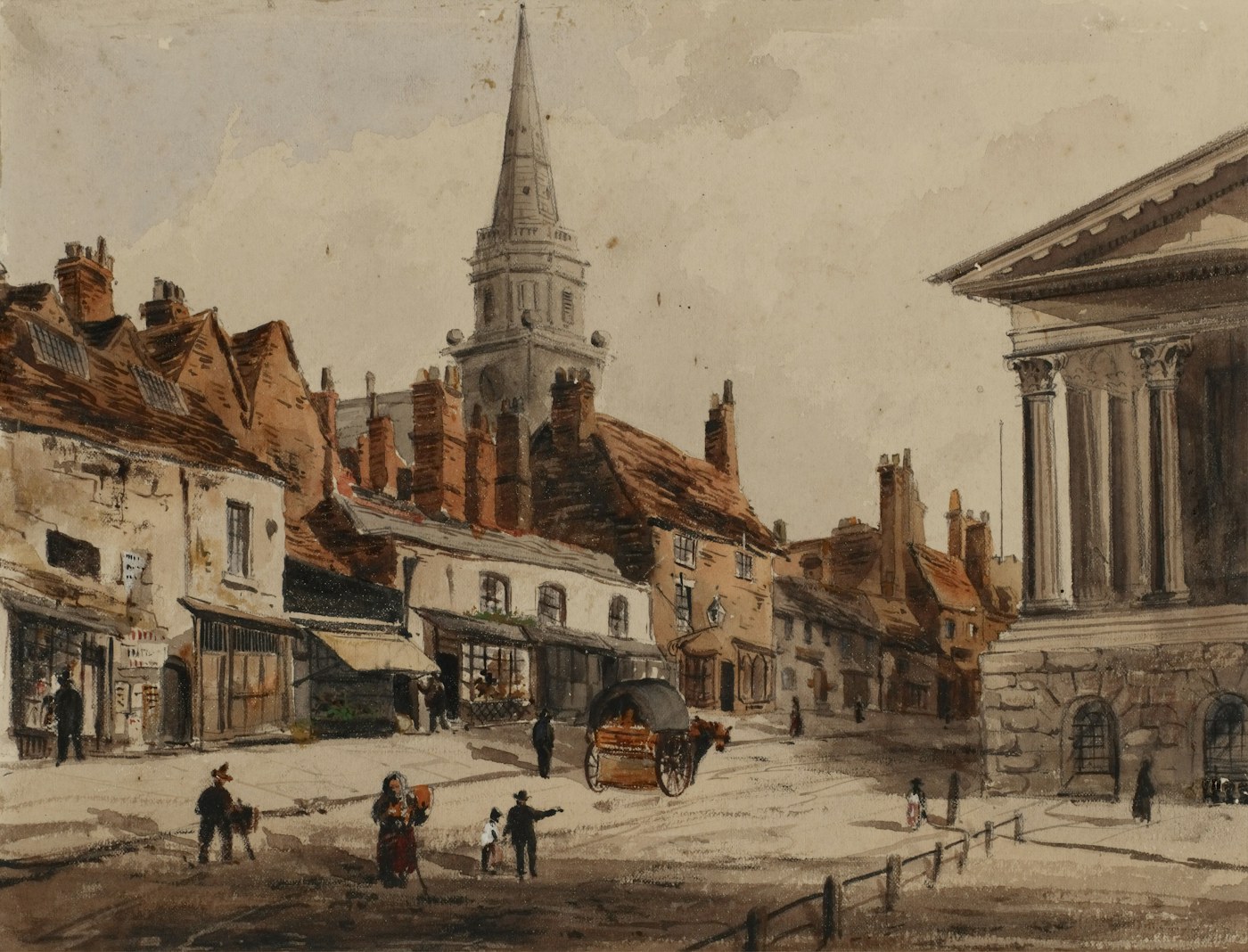
A collection becomes public through movement. The route decides what you see first, how long you can concentrate and whether one object can interrupt the plan.
Grand Venue
Four moments of a visit
Think of the visit as a public sequence rather than a room count. Each moment has a different job and a different kind of attention.
Orient
Find the map, facilities and one room that gives the building a readable scale.
Focus
Choose fewer objects and let labels, material and distance work together.
Connect
Notice a link between two rooms instead of trying to remember everything.
Release
Leave time for a final view, a note and an unhurried exit.
Grand Venue
What makes a route legible
Clear landmarks, repeated visual cues and honest transitions help visitors build a mental map. If you lose the thread, return to the last place that made sense rather than rushing forward.
- Use the official map and current directions.
- Treat thresholds as orientation points.
- Let a short pause reset the route.
Grand Venue
The object outside the plan
The strongest museum memory is often the thing that was not on the shortlist. A civic museum leaves enough room for the public to make that discovery.
Grand Venue
Current details belong to official sources
Opening arrangements, gallery access, ticketing and closures can change. This guide is for interpretation and planning questions, not live venue status.